
Best Time to Give Charity: Ramadan, Fridays, Dhul Hijjah and Every Day
By Sadaqah Welfare Trust · · 6 min read

Blessed times multiply reward, but the best time to give is often right now. A practical guide to Ramadan, Fridays, Dhul Hijjah and daily giving.
Is there a best time to give?
Muslims are often asked when the best time to give charity is, and the honest answer has two parts. First, some times are especially blessed, and many believers aim to give more generously then. Second, Islam encourages giving at every opportunity, so waiting for the perfect moment can mean missing the good deed in front of you.
Both ideas are worth holding together. Plan to give in the blessed seasons, but never use them as a reason to delay helping someone who needs it today. This guide explores the most commonly cited times and shows how to turn them into a practical giving routine.
Giving in Ramadan
Ramadan is the season most closely associated with generosity. It is reported that the Prophet ﷺ was the most generous of people, and that he was most generous in Ramadan (Sahih al-Bukhari and Sahih Muslim). The month of fasting naturally awakens empathy, because after a day without food and drink we feel a little of what hunger means.
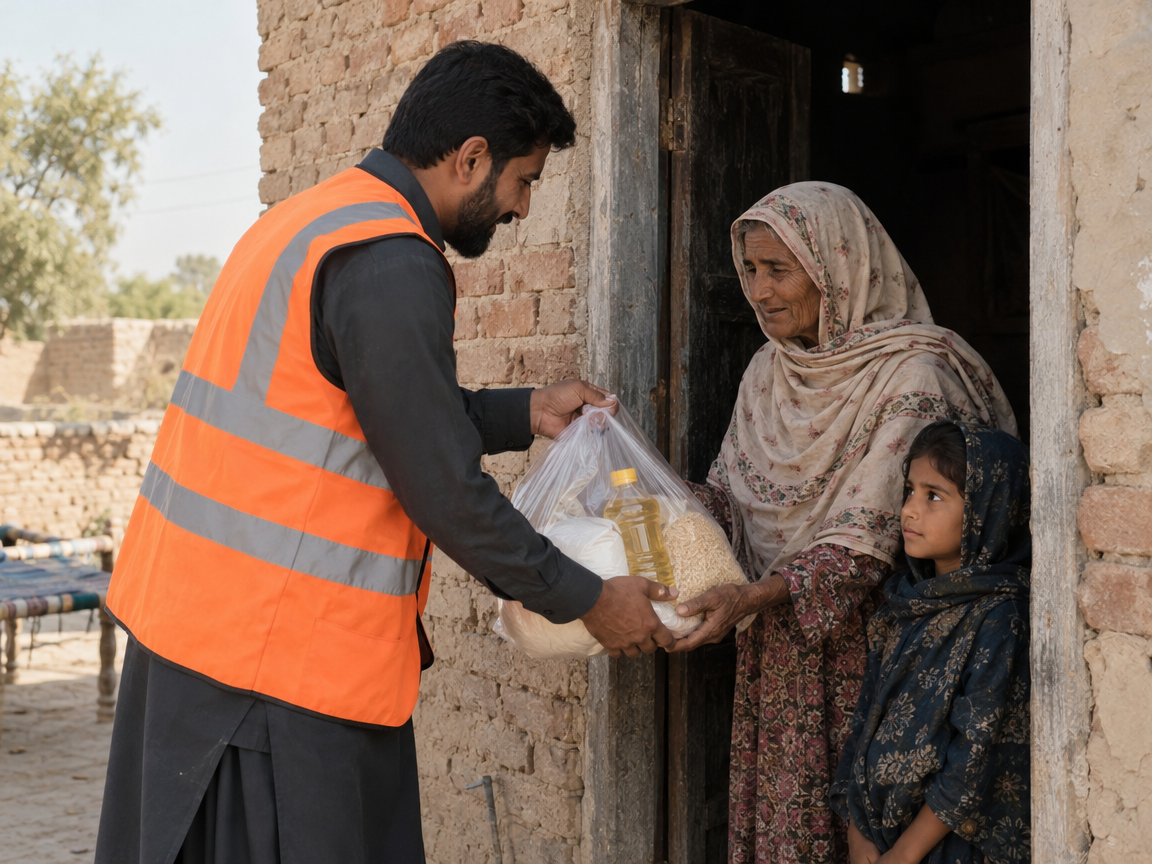
Many Muslims therefore choose to pay their zakat in Ramadan and increase their sadaqah. If you are paying zakat, make sure you have calculated it carefully and that you give it to eligible recipients; our zakat guide can help. Feeding a fasting person, giving a ration to a family or supporting a project that serves people all year round are all popular ways to give in the month.
The first ten days of Dhul Hijjah
The first ten days of Dhul Hijjah are widely regarded as among the best days of the year for good deeds. The Prophet ﷺ taught that there are no days in which righteous deeds are more beloved to Allah than these ten days (Sahih al-Bukhari 969). This is a time when many Muslims fast, pray, remember Allah and give charity.
These days lead up to Eid al-Adha, when many families also give Qurbani, sacrificing an animal and distributing the meat to those in need. Whether you give Qurbani, sadaqah or both, these days are a wonderful opportunity to multiply your good deeds.
Giving on Fridays
Friday is the best day of the week in Islamic tradition, and many Muslims make a habit of giving sadaqah on Fridays. There is no obligation to do so, and you should be cautious about attributing specific rewards without a sound source, but the habit is a lovely one. It links the blessing of the day with a regular reminder to give.
A small weekly amount, set aside each Friday, can be easier to sustain than occasional large gifts. Over a year, it adds up to something significant, and it keeps generosity at the front of your mind. If you set up a regular gift, you will not have to remember each week.
When someone needs help right now
Beyond the calendar, some moments call for giving simply because someone needs help. A family facing a flood, a neighbour who has lost income, a child who needs support: these are moments where speed matters more than timing. Emergency appeals exist because need does not wait for Ramadan.
Our Pakistan Floods Appeal, for example, responds to families in Jhang left homeless, hungry and desperate by devastating floods. In moments like these, an early gift can make a bigger difference than a larger one that arrives later.
Giving every day
The Prophet ﷺ taught that the most beloved deeds to Allah are those that are consistent, even if they are small. Applied to charity, this means that a modest daily or weekly gift may be better in many ways than a single large one made once a year. It keeps your heart engaged and gives recipients dependable support.
Daily giving does not have to mean money. A kind word, a shared meal or a few minutes of help also count as sadaqah. Our article on what sadaqah is explores this in more depth.
How to build a giving habit
It is one thing to want to give regularly and another to actually do it. These practical steps can help turn good intentions into a habit:
- Decide a small amount you can sustain comfortably and stick to it
- Choose a fixed day, such as Friday, for your regular gift
- Set up a reminder or a regular donation so you do not forget
- Match your giving to your seasons: more in Ramadan and Dhul Hijjah
- Review your giving once a year and adjust it as your circumstances change
- Involve your family so that children grow up seeing generosity
Where to give, whenever you give
Wherever you are, in the UK, the USA, Canada, Australia, the UAE or elsewhere, you can give at any time of year. At Sadaqah Welfare Trust you can fund a hand pump for £100, provide a monthly ration for £50, sponsor an orphan for £220 per year, or give any amount you choose.
Our team serves fi sabilillah, which allows us to maintain minimal operational costs, so your donation reaches 100% of those in need. Visit our donation page to give, or explore our projects. The best time to give is when you are ready, so why not today? May Allah accept it from you.
Frequently asked questions
Do I have to pay zakat in Ramadan?
No. Zakat is due when the lunar year on your wealth is complete. Many Muslims choose to pay in Ramadan for its added blessing, but you should pay when it becomes due and consult a scholar if unsure.
Is it better to give daily or in bulk?
Both are good. Consistency is highly valued in Islam, and many people find regular small gifts easier to sustain, while also giving more in blessed seasons.
Can I give sadaqah at any time?
Yes. Sadaqah is voluntary and can be given at any time, in any amount.
Leave a comment or ask a question
Comments are sent privately to our team. They are not displayed publicly, and we reply by email.
Related articles

Learn
What Is Sadaqah? Meaning, Types and Rewards in Islam
Sadaqah is far more than money. Discover what it means, the many forms it takes, and why even the smallest act of giving carries great reward.
· 6 min read

Learn
Zakat Explained: Who Must Pay, Nisab and How to Calculate
Zakat is the third pillar of Islam. This guide walks through who must pay, how nisab works, what to include and how to calculate it with confidence.
· 7 min read
Food & Rations
Feeding the Hungry in Islam: Monthly Rations and the Reward of Feeding Others
Feeding others is a cornerstone of Islamic generosity. Learn the reward, and see how a monthly ration reaches over 100 families in Jhang.
· 6 min read