
Sadaqah vs Zakat vs Lillah: What’s the Difference?
By Sadaqah Welfare Trust · · 6 min read
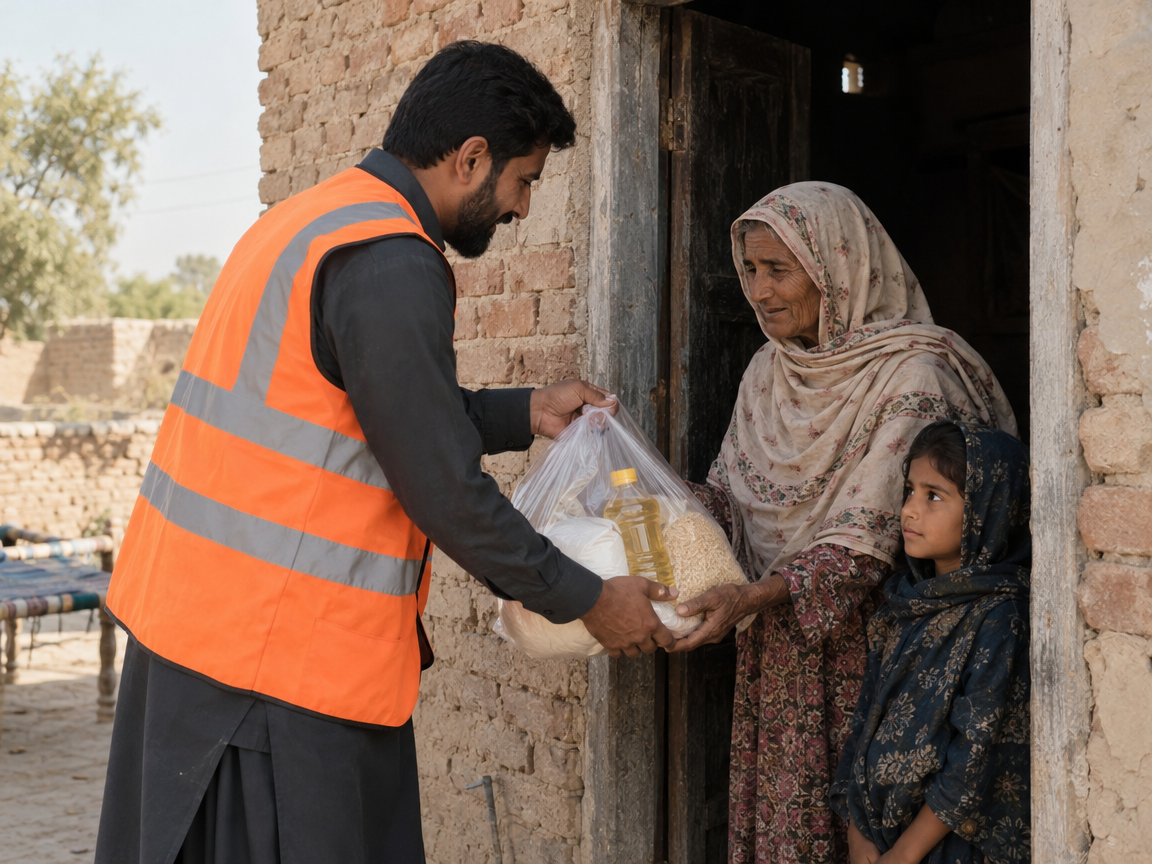
Zakat, sadaqah and lillah are all ways of giving for Allah, but they are not the same. Here is a clear, practical comparison for donors.
Three words, one purpose
If you give to charities that serve Muslim communities, you will often see three words side by side: zakat, sadaqah and lillah. They all describe giving for the sake of Allah, and all are loved acts of worship. But they are not interchangeable, and understanding the differences helps you give with confidence, particularly if you are trying to fulfil a religious obligation.
In short: zakat is obligatory and has rules about who must pay and who may receive; sadaqah is voluntary and open-ended; and lillah is a gift given purely for the sake of Allah, often directed towards supporting a charity’s work or particular purposes. Let us take each in turn.
Zakat: the obligation
Zakat is the third pillar of Islam. It is due on Muslims whose wealth reaches the nisab and has been held for a lunar year, and the usual rate on cash and similar assets is 2.5%. It purifies wealth and redistributes a portion to those in need.
Because zakat is an obligation, it comes with conditions. The Qur’an defines its recipients: the poor, the needy, those who collect it, those whose hearts are being reconciled, those in bondage, those in debt, in the cause of Allah and the traveller (Qur’an 9:60). Zakat should reach eligible people, which is why it matters to give it through organisations that handle it properly. Our detailed zakat guide explains how to calculate it.
Sadaqah: voluntary charity
Sadaqah is voluntary giving. It has no minimum, no fixed rate and no calendar. You can give it any day, in any amount, to anyone in need or to any good cause. It also includes non-financial good deeds, from a kind word to helping someone in difficulty.
This flexibility makes sadaqah ideal for responding to emergencies, supporting projects, giving on behalf of loved ones and building a habit of generosity. If you would like to understand it in more depth, read our introduction, What Is Sadaqah?. A particularly valuable form is sadaqah jariyah, ongoing charity, such as funding a hand pump or supporting a mosque.
Lillah: giving purely for Allah
Lillah literally means “for Allah”. In the context of charity, it usually describes donations given purely for the sake of Allah, without a specified category, and often used by a charity to support its general work, running projects or meeting urgent needs. Many organisations use lillah funds for areas where zakat cannot be used, such as building and maintaining projects or covering operational needs.
It is helpful to think of lillah as a flexible gift. You are not specifying a rule-bound category, but simply giving for Allah’s sake and trusting the charity to apply it where it is most needed. Of course, it is always wise to choose a charity you trust and to ask how funds are used.
A simple comparison
The list below summarises the key points, written in plain language so you can see them at a glance.
- Zakat: obligatory; 2.5% on eligible wealth above the nisab after a lunar year; must go to the eight categories in the Qur’an.
- Sadaqah: voluntary; any amount at any time; can go to any person or good cause; includes non-financial good deeds.
- Lillah: given purely for Allah’s sake; flexible; often used for a charity’s general work and projects where zakat restrictions do not apply.
Why the distinction matters in practice
If you are paying zakat, you want to be sure it reaches eligible recipients and that you have stated your intention clearly. Giving sadaqah or lillah in place of zakat does not automatically discharge your obligation, so tell the charity what you intend when you donate.
On the other hand, if you want to support a project such as building a mosque, maintaining a hand pump programme or funding a charity’s operations, sadaqah or lillah may be more appropriate than zakat, depending on the specific ruling. If you are uncertain, ask a qualified scholar. It is always better to ask than to guess.
Sadaqah Welfare Trust accepts Zakat, Sadaqah and Lillah, and our team serves fi sabilillah, which allows us to keep operational costs minimal so that your donation reaches 100% of those in need. If you wish to give zakat, please tell us when you donate or contact us through our contact page.
How to decide where to give each type
A practical approach is to start with your zakat. Calculate it carefully, set it aside and give it to a trusted organisation that distributes it to eligible people. Then use sadaqah for the causes that move you, and lillah when you wish to support a charity’s work in a general way.
For example, a donor in the UK, USA, Canada or Australia might give their zakat to help families facing hunger, give sadaqah to fund a hand pump, and give lillah to support the running of a project. All of it is good, and all of it is rewarded when given sincerely.
Ways to give today
Whichever you choose, you can start in a few simple steps. Use our flexible amount box to give any sum you wish, or choose a fixed gift: a hand pump for £100, a monthly ration for £50 or orphan sponsorship for £220 per year.
Visit our donation page to give, or explore our projects to see where your gift will go. May Allah accept your zakat, sadaqah and lillah.
Frequently asked questions
Can I give zakat and sadaqah in the same donation?
Yes, but be clear about how much of your gift is zakat and how much is sadaqah, and tell the charity so that your zakat is handled correctly.
Is lillah the same as sadaqah?
They are closely related. Lillah emphasises giving purely for Allah’s sake and is often used for a charity’s general work. If you are unsure which category suits your gift, ask the charity or a scholar.
Does sadaqah replace zakat?
No. Zakat is an obligation that must be paid if you meet the conditions. Sadaqah is additional and does not replace it unless you clearly intended the gift as zakat and it meets the requirements.
Leave a comment or ask a question
Comments are sent privately to our team. They are not displayed publicly, and we reply by email.
Related articles

Learn
Zakat Explained: Who Must Pay, Nisab and How to Calculate
Zakat is the third pillar of Islam. This guide walks through who must pay, how nisab works, what to include and how to calculate it with confidence.
· 7 min read

Learn
What Is Sadaqah? Meaning, Types and Rewards in Islam
Sadaqah is far more than money. Discover what it means, the many forms it takes, and why even the smallest act of giving carries great reward.
· 6 min read
Food & Rations
Feeding the Hungry in Islam: Monthly Rations and the Reward of Feeding Others
Feeding others is a cornerstone of Islamic generosity. Learn the reward, and see how a monthly ration reaches over 100 families in Jhang.
· 6 min read